
- Overband Magnetic Separators
- Suspended Plate Magnets
- Magnetic Drum Separators
- Plate Magnets
- Drawer Magnets
- Roller Type Magnetic Separators
- Gravity Feed Magnets
- Grinder Plate Magnets
- Hump Magnet
- Lifting Magnets
- Liquid Line Magnets
- Magnetic Coolant Separators
- Center Flow Magnets
- Magnetic Liquid Traps
- Cartridge Magnetss
- Cross Belt Separators
- Pneumatic In Line Magnets
- Grate Magnets
- Drum Magnets
- Tube Magnets
- Wet Drum Separators
Home » Magnetic
Separators » Crossbelt Separators
Crossbelt Separators
| Features | Specifications | Applications |
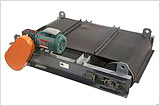
Crossbelt magnetic separators are utilized for removing various ferrous contaminants. They provide protection through self-cleaning protection from the conveyed material. Through eye bolts they can be easily mounted at the top of the frame. The ferrous contaminants are conveyed to the side of the conveyor and are discharged to a collection bin by the cleated belts. Crossbelt magnetic separators can be mounted perpendicular to the material flow or over the head pulley parallel to the material flow. Crossbelt magnetic separators consist of rubber conveyor belts, adjustable take-ups, rugged steel channel frame and a shaft mounted speed reducer with direct drive motor.
Features
- Crossbelt magnets have a deep penetrating magnetic field.
- Magnets are housed in metallic structure normally made up of stainless steel.
- Crossbelt magnetic separators also consist of frugged PVC cleated belt.
-
High strength, concentrated deep magnetic field.Buying Tips
While buying crossbelt separator, buyer should take care of following aspects:
- Your conveyor's width should be in the proportion of the size of the crossbelt separator.
- You must ensure that the length of the crossbelt magnet should entirely cover the belt.
- Buyer must also see that there is an adequate space for the collection area at the side of the conveyor.
- Crossbelt magnets needs low maintenance and are easy to install and operate.
- They can function smoothly even in the hazardous environments.
- Some of the crossbelt magnetic separators also consists of inspection and access doors trolley suspension cable suspension etc.
- High-density ceramic or other magnet provides excellent reach out.
- It separates tramp metal from trough style or flat-belt conveyors.
- It is capable of removing tiny contaminants as well as larger ferrous scrap.
- Motor mounted on the top runs at constant speed.
- It is best suited for general conveying and recycling applications
- Wood recycling
- Plastic industries
- Chemical industries
- Grain processing industries